Before you book
A guided visit, not a zero-risk promise
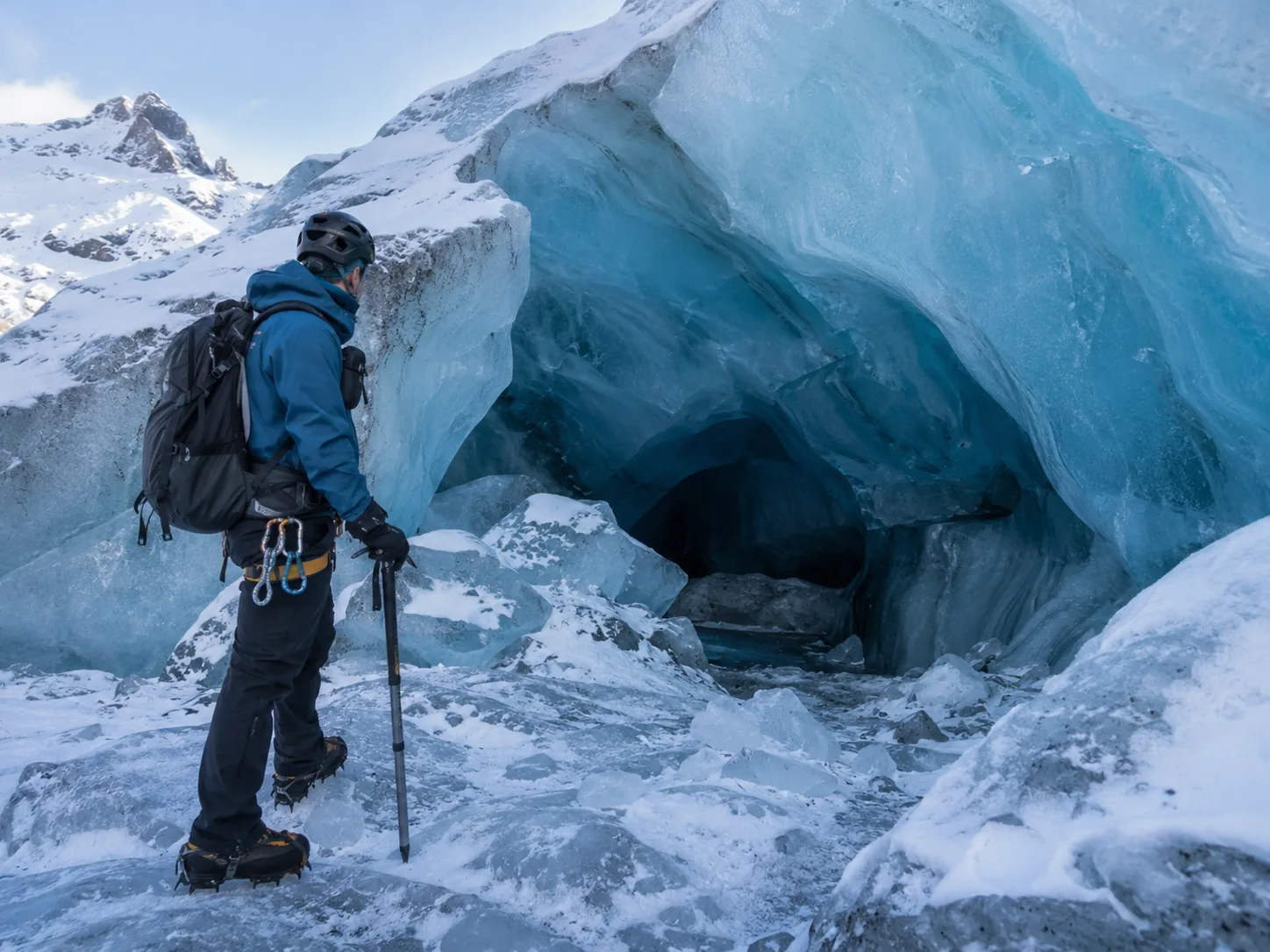
The Crystal Ice Cave is a natural glacier experience on Breiðamerkurjökull, not a permanent walk-in attraction. Go with a professional glacier guide, choose a suitable route and accept that the plan may change. Guiding and equipment help manage hazards; they cannot remove every risk.
01 · Guided access
Go with a guide
Local route knowledge and a current assessment matter more than a map pin or photographs from another visit.
02 · Personal preparation
Choose a suitable tour
Check the actual walking, footwear and participation requirements. A short tour is not automatically an easy walk.
03 · Conditions first
Keep plans flexible
The guide may change the route, choose another formation or cancel. A booking is not confirmation that a particular cave can be entered.
This guide explains preparation and the questions to ask. It does not certify any tour or describe today’s cave as safe. For dated access information, use Weather and Conditions.
Understand the environment
Why the plan can change
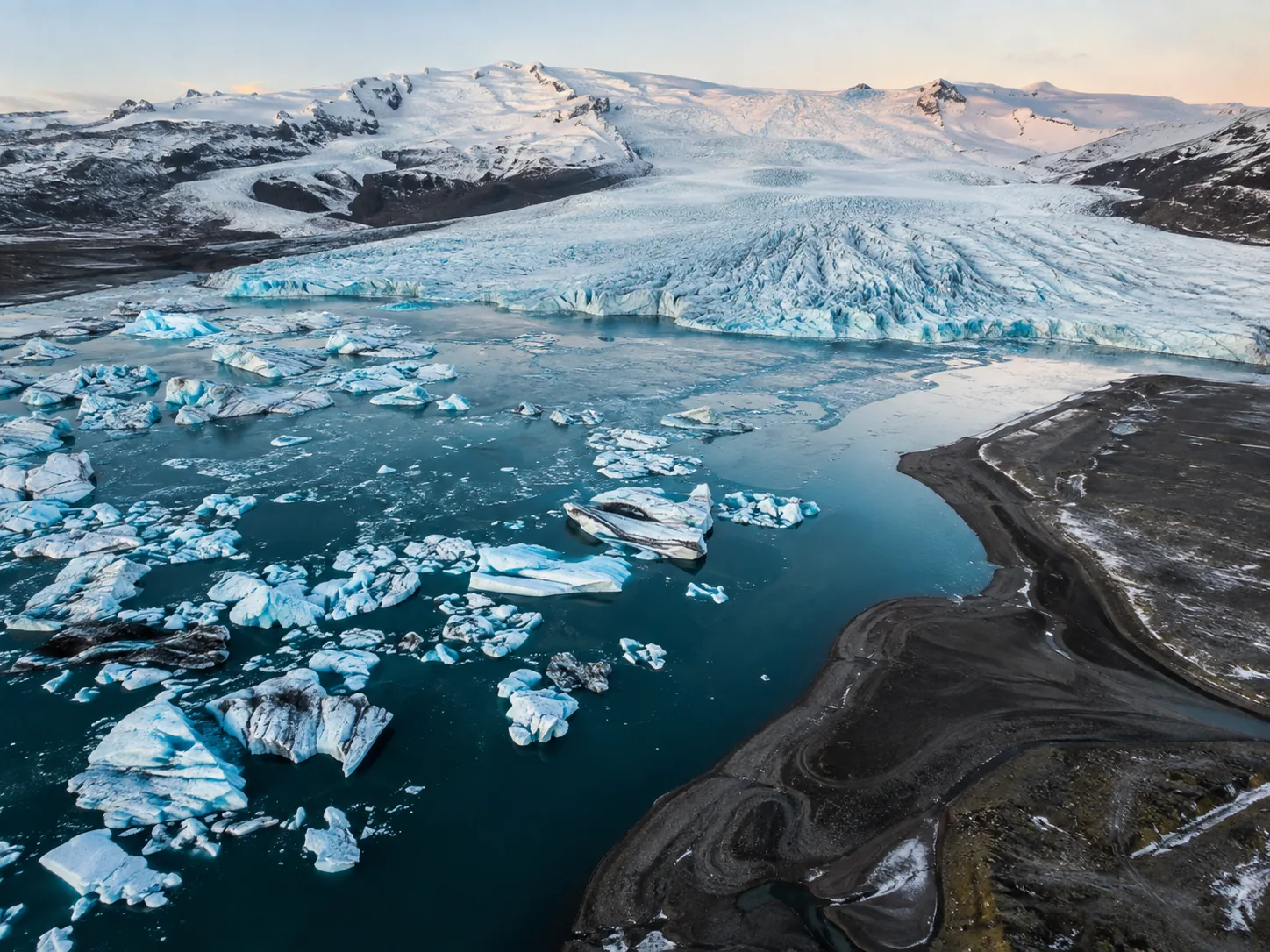
The approach matters as much as the cave. Ice, water and weather can affect different parts of the journey, so yesterday’s route is not a promise for today.
Moving ice
Cave ceilings, arches and overhanging ice can change or become unstable. Visitors cannot judge the structure from its blue colour or apparent thickness.
Changing ground
The approach can cross snow, ice, gravel and uneven surfaces. Crevasses and changing glacier terrain are reasons to stay on the guide’s route.
Water and weather
Meltwater, rain, wind and visibility can affect access. Cold weather alone does not establish that a formation is suitable to enter.
The Safetravel glacier guidance warns that glaciers keep moving and that crevasses may develop with few warning signs. The practical response is professional guidance, appropriate equipment and willingness to change plans.
Operators can also change the blue-ice feature they visit. Local Guide’s tour description explains that its cave, approach and overall setup may change following weather, ice movement or the guide’s assessment. Confirm the arrangements for your departure.
Guided access
Why you need a guide
A map pin is not an access route
An online location may identify a cave from a previous winter. A visible opening does not tell you whether the approach or the ice above it is suitable. Public paths and lagoon viewpoints are not an invitation to continue onto the glacier.
Do not enter a glacier cave independently or follow another group onto the ice. Use the route, spacing and instructions given by the guide responsible for your tour.
For public arrival areas and check-in orientation, see Location and Directions. It does not provide a route to a cave entrance.
What to check about the operator
Ask who operates the glacier part of your booking, what relevant guiding experience they use and how they assess conditions. A booking platform’s name is not necessarily the name of the company taking you onto the ice.
The Icelandic Tourist Board requires safety plans for organised tours. The park also publishes commercial glacier-activity agreements for the relevant areas. Those arrangements are not a guarantee of a risk-free visit.
Prepare before departure
Equipment and footwear
Wear the equipment supplied for the route exactly as instructed. Tell the guide about a loose helmet, insecure traction or unsuitable boots before continuing. Equipment is part of risk management, not permission to explore on your own.
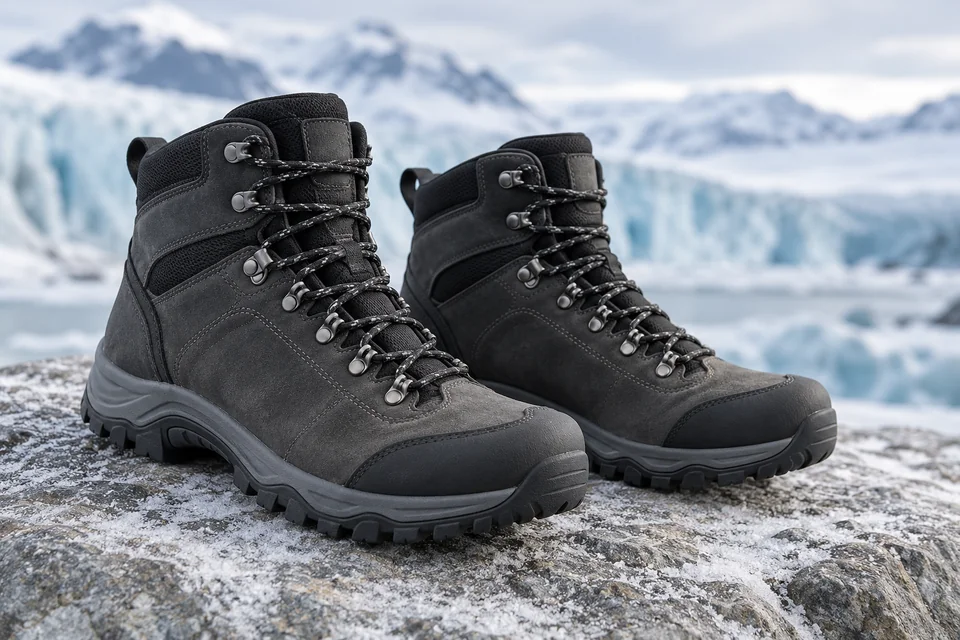
Start with the boots your operator requires
Check footwear before travelling to Jökulsárlón. Try your boots with your hiking socks, and ask the supplier about anything uncertain. Do not assume every pair of winter shoes will work with the tour’s equipment.
A helmet and traction devices address particular hazards. They do not make an unstable ceiling safe or remove the need to follow an assessed route.
The What to Wear guide covers boots, layers, gloves and the packing checklist. Rental availability must be confirmed for the exact product and your size.
Helmet
Let the guide check the fit over your headwear. Keep it on whenever instructed, including while taking photographs.
Traction
Use the spikes or crampons selected for the route. Ask for help with fitting; do not substitute your own equipment without agreement.
Weather protection
Bring warm layers and waterproof outerwear. Safetravel’s clothing advice stresses the combined effect of wind, rain and cold.
Choose the right experience
Check the walk, not just the duration
A total duration includes the vehicle journey, preparation, walking and stops. It does not tell you the steepest step, the condition of the surface or whether the pace suits you. Tour names and difficulty labels are only a starting point.
Walking
Ask about the current distance, uneven ground, slopes and any steps. Explain the pace and terrain you can comfortably manage.
Vehicle journey
The modified 4×4 approach may be rough. Raise concerns about the ride or getting into the vehicle with the operator before paying.
Mobility
The five tours in our comparison are listed as not wheelchair accessible. Confirm the current product directly and explain your requirements before booking.
Local Guide labels its tour as moderate and explains that the route and walking distance can vary. Compare the individual tour requirements rather than assuming every departure is identical.
Ask before you book
Use these questions when contacting the operator. Their answers should refer to the actual product and your group.
- What is the current walking distance, terrain and expected pace for this departure?
- What footwear and equipment sizes are required for everyone in our group?
- Who operates the glacier activity, and how are the route and cave assessed?
- What happens if the cave cannot be entered, or we cannot reach the departure point?
Personal requirements
Children, health and enclosed spaces
Travelling with children
Meet the chosen supplier’s minimum age and equipment-size rules. Consider walking ability, attention to instructions and comfort in cold weather too. Acceptance by another company does not make a child eligible for this booking. See Travel with Kids.
Medical or mobility concerns
Some products have pregnancy or medical restrictions. Read them before booking, explain relevant limitations to the operator and seek individual advice from a qualified healthcare professional when appropriate. This page cannot clear someone for participation.
If darkness or enclosed spaces concern you, ask about the formation currently used and the possibility of narrower passages. Do not rely on a wide-entrance photograph from another season or assume there will be an easy way to leave partway through.
The journey is part of the plan
Check conditions before you drive
Road conditions between your accommodation and Jökulsárlón can be different from conditions at the glacier. Check official information before leaving and contact the supplier when your journey is disrupted. Do not rush or drive on a closed route to save a booking.
Road information
Check closures and road notifications along your route using Traffic Info. A navigation app’s arrival estimate is not confirmation that the road is suitable.
Weather and travel alerts
Review weather alerts and Safetravel conditions. Winter driving conditions can occur in spring and autumn as well as midwinter.
Operator’s latest message
Confirm the check-in arrangements and whether your departure has changed. A quiet morning at your hotel does not tell you what the glacier approach is like.
Use Getting There for the road journey and Location and Directions for local arrival. The seasonal guide helps with travel dates, but no month replaces an assessment of the actual route.
Know the booking terms
If the tour changes
A route change is not automatically a downgrade, and a cancellation is not a reason to look for an unassessed way in. The important questions are what is offered, whether it suits you and what the booking terms say.
| Situation | What to check |
|---|---|
| The operator cancels | Read the cancellation message and the terms attached to your booking. Confirm the available refund or rescheduling options. |
| A different cave or glacier walk is offered | Ask what the alternative includes, whether you may decline it and which price or refund terms apply. Policies differ between products. |
| You cannot reach the departure point | Contact the operator promptly. Road disruption affecting your journey and cancellation by the supplier may be treated differently. |
Do not apply a “free cancellation” label or a 24-hour rule from one product to every departure. Alternatives and refund arrangements differ between products. Use the confirmation for the exact tour and date you booked.
During your visit
Stay with the guide
01
Follow the route
Stay with the group and follow spacing instructions. Do not take shortcuts or step away to photograph another opening.
02
Keep equipment on
Wear the helmet and traction as instructed, even when a short section looks easy.
03
Speak up early
Tell the guide about discomfort, fatigue or equipment problems before trying to continue through a difficult section.
04
Keep passages clear
Take photos where the guide permits and leave room for others to move. Do not block a narrow section with a bag or tripod.
Current assessments matter more than photographs or visitor numbers. A busy entrance does not establish that another opening nearby is suitable.
Emergency information
If you need urgent help
Alert your guide immediately
In an emergency, contact 112. Be ready to explain where you are, what happened, who is involved and when it happened. Follow the emergency operator’s instructions and do not hang up until told to.
If a call to 112 does not connect, 112 Iceland lists +354 599 0112 as an alternative. This website is not an emergency contact channel.
A few final questions
FAQ
Can a glacier cave collapse?
Yes. Natural ice formations can become unstable and ice can fall. Professional assessment, route selection and suitable equipment manage hazards; they do not create a zero-risk environment.
Is winter automatically safe?
No. The colder season is when the classic local cave experience is generally offered, but temperature, water, glacier movement and access still matter. A calendar month is not a safety assessment.
Can I go without a guide if I have crampons?
Do not use equipment as a substitute for guiding and local route knowledge. A pair of crampons does not assess an ice roof or identify every hazard on the approach.
Does a smaller group mean a safer tour?
A smaller group may change the pace or visitor experience, but group size alone is not evidence of lower accident risk. Ask about the route, guide, procedures and participation requirements.
Are there universal age or pregnancy rules?
No single rule in this guide covers every product. Check the chosen supplier’s restrictions and raise individual concerns before booking. A general travel page is not personal medical advice.
Does this website confirm that the cave is safe today?
No. CrystalIceCave.com is an independent guide, not the glacier operator, emergency service or body assessing the cave. Follow your operator’s current instructions and official alerts.